
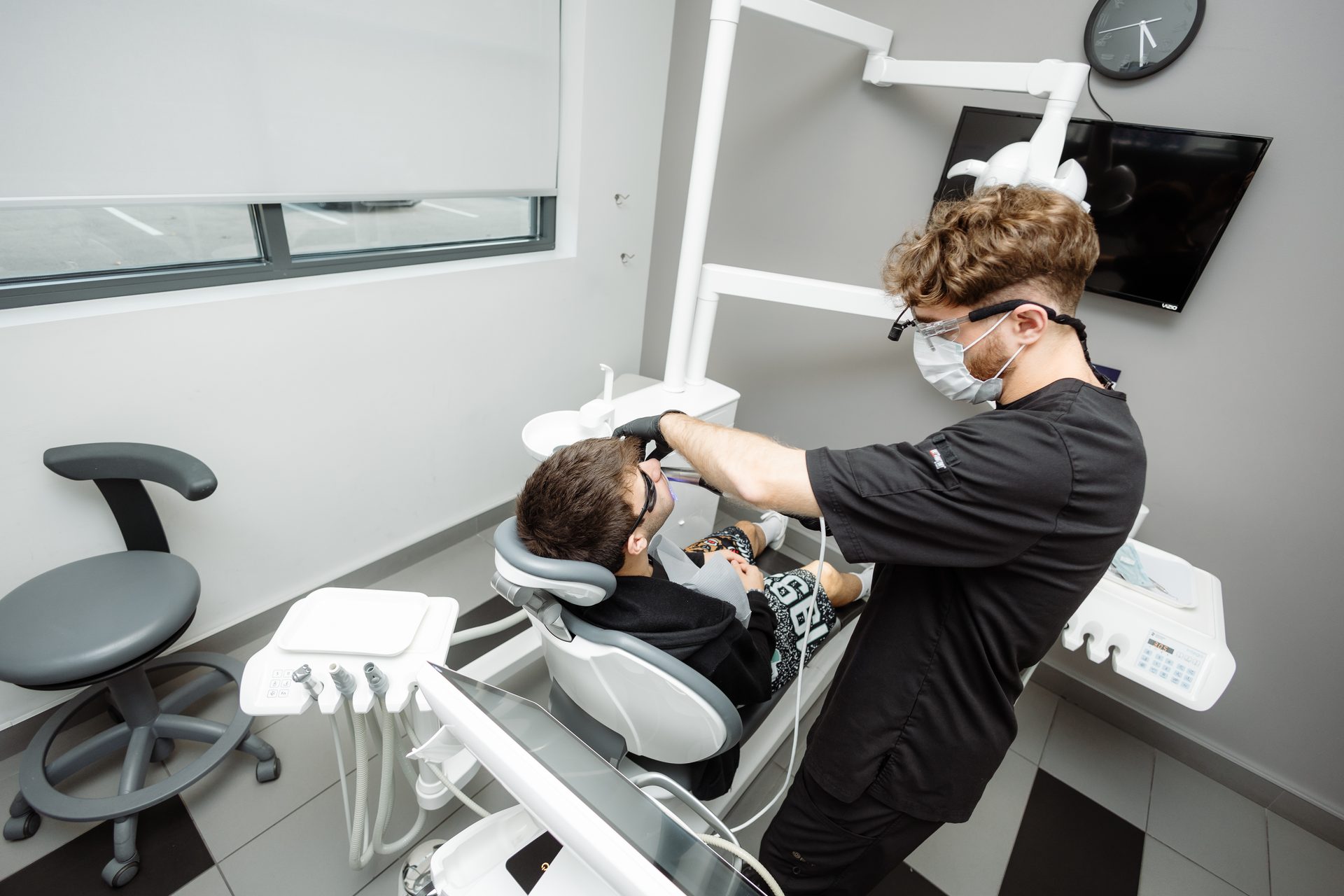
Root Canal Symptoms: When a Tooth Needs Prompt Attention
A toothache can have several causes, from a cavity or cracked tooth to gum irritation or a problem involving the soft tissue inside a tooth, known as the pulp. Symptoms alone cannot confirm what is happening, but some changes are worth having assessed promptly.
Root canal treatment is listed under General Dentistry at Skyview Dentistry in Stoney Creek. A dental examination is needed to determine the source of symptoms and whether root canal treatment or another option may be appropriate.
The dentists at Skyview Dentistry are general practitioners, and recommendations are based on each patient's individual needs.
What is the tooth pulp?
Beneath the hard outer layers of a tooth is a small inner space containing pulp. The pulp includes nerves, blood vessels and connective tissue. Deep decay, a crack, repeated dental work or an injury can sometimes irritate or damage this tissue.
When the pulp is significantly inflamed or infected, a dentist may discuss root canal treatment. In general, this treatment involves removing affected pulp tissue, cleaning the inside of the tooth and sealing it. The tooth often needs further restoration afterward, but the right plan depends on the tooth and the examination findings.
Learn more about General Dentistry at Skyview Dentistry.
Symptoms that can warrant a dental assessment
Pain when biting or chewing, a lingering response to hot or cold foods and drinks, or a toothache that returns can all be reasons to arrange a dental assessment. Other possible signs include tenderness around a tooth, a pimple-like bump on the gums, swelling, or a tooth that appears darker than nearby teeth.
These signs do not automatically mean a root canal is needed. For example, sensitivity may have other causes, and some teeth with pulp problems cause little or no discomfort. An assessment helps identify the cause instead of relying on symptoms alone.
When to seek prompt care
Contact a dental office promptly if you have facial or gum swelling, severe or worsening tooth pain, drainage, fever, or trouble opening your mouth. If swelling is affecting breathing or swallowing, seek urgent medical attention immediately.
Until you can be assessed, avoid chewing on the painful side when possible. Keep the area gently clean, and follow the label directions for any over-the-counter pain medication you can safely take. Do not place aspirin or other medication directly on the gums or tooth.
How a dentist determines the next step
A dental assessment may include reviewing your symptoms and health history, examining the tooth and surrounding tissues, and using appropriate tests or imaging. The aim is to understand whether the pulp is involved and whether the tooth may be treatable.
Possible recommendations vary. Depending on the cause and condition of the tooth, options may include a restoration, root canal treatment, monitoring, or another approach. Ask what the finding is, what treatment is intended to address, the potential benefits and risks, and what restoration may be needed after treatment.
Questions to ask about root canal treatment
It can help to ask what is causing the symptoms, what alternatives may be relevant in your situation, and what may happen if treatment is delayed. You may also want to ask about the expected number of visits, how to care for the tooth between appointments, and what symptoms should prompt you to call.
Root canals are one of the services listed within General Dentistry at Skyview Dentistry. If you have a concerning tooth symptom in Stoney Creek, booking an assessment can provide information tailored to your tooth and overall oral health.
Key Takeaways
- Lingering temperature sensitivity, biting pain, swelling and recurring tooth pain can all warrant a dental assessment, but they do not diagnose a pulp problem on their own.
- Root canal treatment may be considered when the pulp inside a tooth is significantly inflamed or infected.
- Prompt assessment is particularly important for swelling, severe worsening pain, drainage, fever, or difficulty opening the mouth.
- A diagnosis and treatment plan depend on examination findings; the dentists at Skyview Dentistry are general practitioners.
Frequently Asked Questions
Does lingering sensitivity always mean I need a root canal?
No. Lingering sensitivity can have different causes, including decay, a crack, exposed tooth structure or a pulp concern. A dental assessment is needed to identify the cause and discuss appropriate options.
Can a tooth need root canal treatment without pain?
It is possible for a tooth with a pulp problem to have few noticeable symptoms. Changes seen during an examination or on appropriate imaging may lead a dentist to investigate further.
Is swelling around a tooth urgent?
Swelling can be associated with a dental infection and should be assessed promptly. Seek urgent medical attention immediately if swelling affects breathing or swallowing.
What should I ask if root canal treatment is recommended?
Ask about the diagnosis, the purpose of treatment, relevant alternatives, potential benefits and risks, the expected restoration afterward, and how to manage symptoms or concerns between visits.